
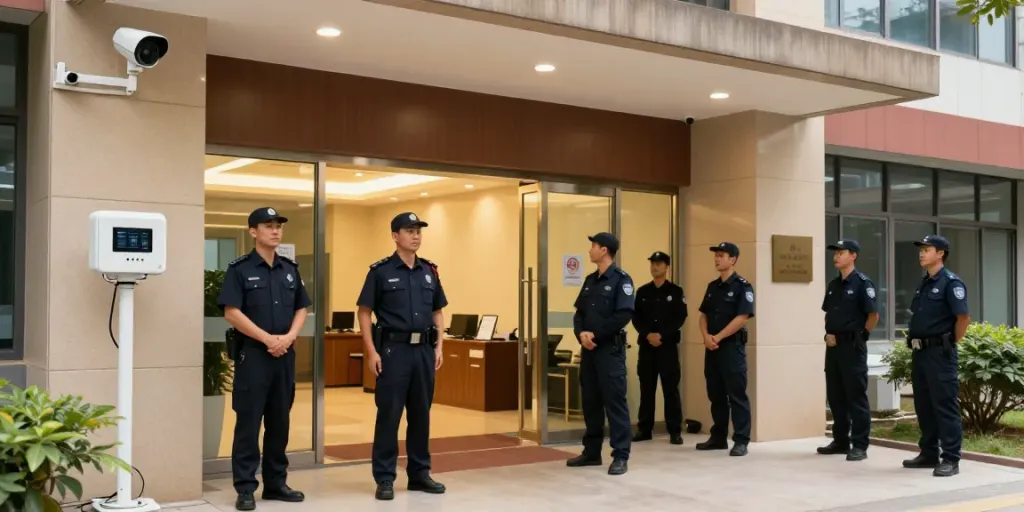
Understanding Corporate Security: Services Offered
In today's unpredictable business landscape, the importance of corporate security cannot be overstated. It serves not just as a prevention mechanism but as a comprehensive approach to safeguarding an organization's assets, personnel, and reputation. The investment in effective corporate security measures not only fosters a secure working environment but also builds trust with clients and stakeholders. When exploring options, Corporate Security provides comprehensive insights, ensuring businesses operate seamlessly. This article delves deep into the fundamental aspects of corporate security, examining the services provided and how they are tailored to meet the unique needs of businesses across varying sectors.
1. Importance of Corporate Security in Business Operations
Corporate security is vital for businesses as it mitigates risks of theft, vandalism, and cyber threats. A robust security infrastructure allows businesses to focus on operations without the worry of external threats. The presence of trained security personnel not only deters criminal activities but also enhances employee productivity by promoting a safe work environment. Moreover, as the lines between physical and cybersecurity blur, a comprehensive approach is necessary to protect businesses from all potential threats.
2. Overview of Typical Services Provided
Corporate security encompasses a variety of services tailored to address specific threats and vulnerabilities within an organization. Common services include:
- Access Control: Regulating who can enter or leave a facility to manage safety and security.
- Surveillance: Using technology and human resources to observe and monitor activities on-site.
- Incident Response: Developing protocols for security breaches or emergencies to quickly address and mitigate incidents.
- Risk Assessment: Regularly evaluating potential threats to stay prepared for any incidents that may arise.
- Security Training: Providing training to employees on safety protocols and how to respond in emergencies.
3. Customized Corporate Security Solutions for Businesses
Every business is unique, requiring customized security solutions tailored to its particular needs. Corporate security providers conduct thorough evaluations of a business's operational environment to design a security plan that effectively addresses vulnerabilities. This may involve integrating physical security measures such as manned guarding with digital security solutions like cybersecurity protocols. Consequently, businesses can achieve optimal security tailored to their specific industry challenges and operational demands.
How to Choose the Right Corporate Security Provider
Selecting a corporate security provider is crucial to ensuring the safety and protection of your assets. Businesses should consider multiple factors to ensure they make an informed decision when engaging a security partner.
1. Factors to Consider When Selecting a Provider
Several key factors should direct your selection process:
- Experience: Review the provider's experience in your specific industry and understand their track record.
- Services Offered: Ensure that the provider offers services that align with your security needs.
- Technology Utilization: Inquire about the technology and tools the security provider employs to manage risks effectively.
- Training Standards: Assess the training programs provided to security personnel and their qualifications.
2. The Role of Accreditations and Licensing in Your Decision
Accreditations serve as proof that a security provider meets industry standards and best practices. Look for providers accredited by governing bodies such as the Security Industry Authority (SIA) or the National Security Inspectorate (NSI). These accreditations indicate a provider’s commitment to maintaining a high level of professionalism and compliance with statutory regulations, ensuring your business is in safe hands.
3. Understanding Contracts and Service Agreements
Before finalizing a corporate security service agreement, it is essential to thoroughly review the contract. Pay attention to the scope of services, termination clauses, liability issues, and terms of service. Make sure you are aware of any additional costs that may arise and clarify expectations to avoid misunderstandings in the future. Transparency in contractual terms underpins trust in the provider-client relationship.
Pricing Guide: What to Expect for Corporate Security Services
Understanding the pricing structure of corporate security services can help businesses allocate their budgets more effectively. Here’s what to anticipate regarding costs.
1. Breakdown of Common Pricing Models
Pricing for corporate security services can vary based on numerous factors, including the scope of services provided, the geographical area, and the level of expertise required. Common models include:
- Hourly Rates: Security companies often charge between £12 to £20 per hour for basic services, while specialized services may range higher.
- Monthly Retainers: Some businesses prefer a fixed monthly rate for ongoing security support, which can offer cost certainty.
- One-Time Fees: For specific events or projects, providers may charge a one-time fee, factoring in the scope and duration of service.
2. Additional Costs to Anticipate
While initial costs are essential, businesses should also consider additional expenses that could arise, such as:
- Fees for technology installation (CCTV, alarms, etc.)
- Cost of regular risk assessments and audits
- Training programs for employees and security personnel
3. Evaluating the Cost vs. Value of Security Services
It’s crucial to look beyond pricing to assess the value of the services provided. The right corporate security partner can prevent losses that far exceed the cost of security measures. Consider factors like reliability, responsiveness, and expertise when evaluating the ROI on your security investments.
Compliance and Legal Requirements for Corporate Security
Understanding the legal landscape surrounding corporate security is crucial for compliance and operational integrity.
1. Insight into Regulatory Standards and Compliance
In the UK, private security companies are regulated by the Security Industry Authority (SIA), which ensures individuals working in security roles are licensed. Compliance with regulations helps mitigate legal risks and maintains a trustworthy security environment for clients.
2. Liability Issues and Insurance Considerations
Businesses must ensure that their corporate security provider has adequate liability insurance coverage. This protects against claims resulting from negligence or incidents during the provision of security services. It is advisable to request proof of insurance and understand the extent of coverage offered.
3. Paperwork and Reporting Obligations
Maintaining comprehensive records is essential both for compliance and operational efficiency. Many corporate security contracts include provisions for regular reporting and documentation of incidents. Ensure that your security provider adheres to these standards, which can protect your company from potential liability.
Community Impact and Reputation Management in Corporate Security
Corporate security plays a vital role not only within the confines of a business but also in its interaction with the broader community.
1. Engaging with the Local Community
Corporate security firms often engage with the local community to enhance their reputation and foster trust. This may include sponsorships, workshops, or community events that aim to raise awareness about security issues. Such initiatives not only strengthen community relations but also position the agency as a proactive participant in public safety.
2. Importance of Customer Reviews and Testimonials
Reputation management is pivotal for corporate security companies. Solicit feedback from clients and encourage reviews that reflect the quality of service provided. Positive testimonials can significantly enhance a provider’s credibility and attract potential customers.
3. Building a Trustworthy Reputation in Corporate Security
Trust is the cornerstone of effective corporate security. Building a trustworthy reputation involves consistent performance, transparency in communications, and adherence to regulatory standards. A security provider that prioritizes integrity will foster long-term relationships with clients and community stakeholders.
FAQs
1. How much do corporate security services cost?
The cost of corporate security services can vary significantly based on several factors, including location, the complexity of security requirements, and the provider's reputation. On average, businesses might pay between £12 and £20 per hour for basic security services, with potentially higher rates for specialized or emergency services.
2. What qualifications should a corporate security team have?
A corporate security team should consist of professionals licensed by the Security Industry Authority (SIA). Additional qualifications may include certification in first aid, conflict resolution, and specific training related to the industry they are servicing.
3. How can businesses prepare for a security consultation?
To prepare for a security consultation, businesses should evaluate their existing security vulnerabilities and define their security needs clearly. For more information, Corporate Security offers valuable insights. Providing the security consultant with as much detailed information as possible will enable the development of tailored security solutions.